
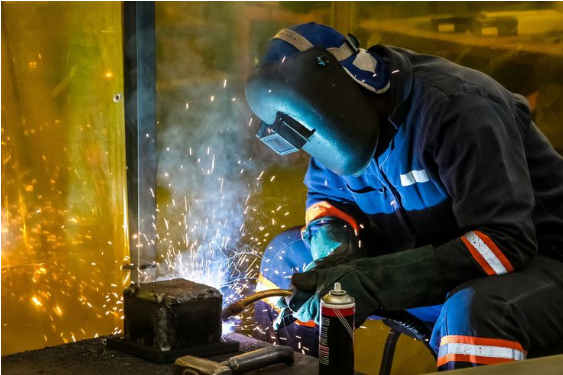
Metal fabrication is the backbone of modern construction and manufacturing. It involves shaping, cutting, and assembling metal to create durable structures, machinery, and everyday items. One of the most crucial aspects of this process is welding. Welding not only joins metals but also ensures strength and precision. Without it, the metal fabrication industry would face countless limitations. This article explores welding services and their vital role in metal fabrication.
Understanding Welding Services And Their Importance
Welding services refer to professional solutions that fuse metal components using heat, pressure, or both. These services include techniques like MIG, TIG, and arc welding. Skilled technicians perform these tasks to meet exact design specifications. In metal fabrication, welding services are indispensable because they provide the structural integrity needed for safe and lasting products. Welding services form the backbone of reliable metal fabrication.
Techniques In Welding Services That Enhance Metal Fabrication
Different welding techniques serve different purposes in metal fabrication. MIG welding offers speed and efficiency, making it ideal for large projects. TIG welding provides precision and is perfect for intricate designs. Arc welding delivers strong and deep bonds for heavy metals. Each technique in welding services allows fabricators to choose the best method for the job. The flexibility in these services ensures that metal fabrication projects meet both quality and safety standards.
Welding Services In Industrial Applications
Industries such as construction, automotive, and shipbuilding rely heavily on welding services. In construction, welded beams and frameworks support massive structures. Automotive manufacturers depend on welding to create strong, lightweight vehicle frames. Shipbuilders use welding to construct durable, water-resistant hulls. By offering specialized welding services, fabricators can meet the unique demands of each industrial application. Welding services ensure that metal structures can withstand daily wear and extreme conditions.
Precision And Quality In Welding Services
Precision is critical in metal fabrication. A poorly executed weld can compromise the strength and appearance of the final product. Welding services employ advanced tools and skilled labor to achieve consistent quality. Laser-guided welding and computer-assisted techniques have elevated the accuracy of modern metal fabrication. Attention to detail in welding services guarantees that each component aligns perfectly with design requirements, making the final product reliable and durable.
Cost Efficiency Through Welding Services
Beyond quality and precision, welding services contribute to cost efficiency in metal fabrication. By reducing the need for additional fasteners or reinforcements, welding saves both time and materials. Well-executed welds minimize maintenance and repairs over a product’s lifespan. Fabricators can complete projects faster and more economically by leveraging specialized welding services. The efficiency of these services directly impacts project budgets and timelines.
Welding Services Supporting Innovation In Fabrication
Innovation in metal fabrication often depends on the possibilities that welding services offer. Complex structures, custom designs, and experimental materials can be successfully joined with advanced welding techniques. These services allow designers and engineers to push boundaries and bring creative visions to life. Welding services not only strengthen metal but also expand the potential for innovation in fabrication projects.
Conclusion
Welding services play an essential role in metal fabrication, providing strength, precision, and efficiency. From industrial applications to innovative designs, these services ensure that metal components are securely joined and ready for real-world use. The choice of welding techniques, focus on quality, and cost-effective solutions make welding services a cornerstone of the fabrication industry. Without them, creating durable, functional, and aesthetically pleasing metal products would be nearly impossible.