
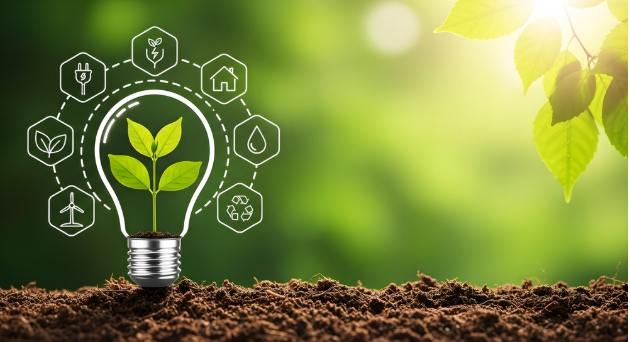
Human creativity is the key to our planet’s future. Each day brings new solutions. Solutions to seemingly impossible environmental problems. Innovative individuals are reshaping our bond with the Earth through inventions like ocean cleanup systems and biodegradable packaging. The way ahead isn’t about tolerating pollution and waste. It is all about outsmarting them.
Breaking Free from Old Habits
The modern world was constructed using coal, oil, and natural gas. Factories produced goods as smokestacks emitted smoke. Vehicles consumed petrol. Residences remained cozy with natural gas. Few raised concerns until rivers ignited and children suffered from asthma because of polluted city air.
Now, inventors flip the script daily. Sunlight becomes electricity through silicon wafers. Wind spins massive blades connected to generators. Advanced batteries hold power until we need it. The old fossil fuel playbook looks outdated compared to what’s possible today.
Change accelerates beyond predictions. Electric vehicles leave gas cars behind at stoplights. Modern heat pumps outperform oil furnaces in subzero weather. Those new LED bulbs? They sip electricity while old incandescent bulbs guzzled it. Superior technology wins markets. The environmental benefits just sweeten the deal.
Nature’s Own Solutions
The natural world spent eons perfecting systems we’re just beginning to understand. Trees pull carbon from the air, so researchers are building machines mimicking that process at an industrial scale. Fungi decompose toxins naturally. This points toward revolutionary cleanup strategies. The special qualities of spider silk are encouraging the creation of artificial materials to substitute for plastics made from oil.
Evolution has already solved countless engineering puzzles. Humpback whale fins showed designers how to make wind turbines slice through air more smoothly. Termite colonies maintain perfect temperatures without machinery, teaching architects passive cooling techniques. The lotus plant’s dirt-repelling surface sparked coatings that stay clean without scrubbing. Organisms can become technology. Bacteria that consume plastic are now part of recycling. Algae farms use carbon dioxide to make fuel. Modified yeast produces materials from jet fuel to artificial leather. Life itself transforms into our cleanup crew.
Small Changes, Big Impact
Simple beginnings often spark revolutions. Farmers cut chemicals by using pest-repelling plant combinations. Restaurant owners saw garbage bills drop after buying dishwashers and ending disposables. Occupancy sensors helped building managers instantly cut lighting costs.
Digital tools amplify these wins exponentially. Rideshares reduce traffic. Smart home devices regulate temperature based on presence. Video calls eliminate countless airline flights. Route optimization helps delivery drivers cover more stops using less fuel. Convenience and conservation merge seamlessly.
Ordinary people drive change too. Neighbors build lending libraries for power tools nobody uses daily. Cities transform abandoned rail lines into bike paths. Students turn rooftops into vegetable gardens. Local experiments that succeed spread everywhere.
Racing Against Time
Speed matters now. Climate researchers say this decade determines everything. According to the people at Commonwealth, renewable power prices have crashed in the past decade. Electric vehicles get cheaper every model year. Carbon-trapping methods improve constantly. Global competition fuels this sprint. Nations vie for clean-tech leadership. Mayors pledge carbon neutrality before their rivals. Companies scramble to patent the next game-changing invention. Healthy competition accomplishes what regulations alone never could.
Investment money floods toward environmental solutions. Venture capitalists fund fusion reactors and lab-grown meat. Governments subsidize green infrastructure. Even traditional oil companies are pivoting toward cleaner technologies. Cash flows where opportunity grows.
Conclusion
We need creativity to avoid an environmental catastrophe. Problem-solvers are tackling previously unsolvable challenges. They show daily that pollution is not inevitable. Better tools for sustainability are constantly emerging. Innovation goes beyond just offering hope. It produces outcomes. With sustained effort and innovative thinking, we can attain cleaner cities, healthier ecosystems, and stable climate conditions. Every smart solution we create today contributes to a cleaner world tomorrow.