
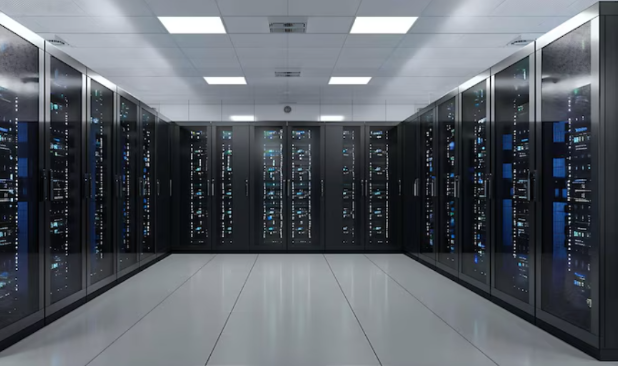
In today’s digital world, businesses rely heavily on technology to operate efficiently. From managing customer information to running applications and storing files, uninterrupted access to data is crucial. This is where a data center plays a vital role. A data center is a facility that houses computer systems, storage solutions, and networking equipment, ensuring your business operations continue without disruption. Understanding how data centers work can help you appreciate their importance in keeping your business running smoothly.
What Is a Data Center?
A data center is more than just a room full of computers. It is a secure and controlled environment designed to manage, store, and process vast amounts of information. Data centers are equipped with powerful servers, storage devices, and networking components that work together to support applications, websites, and internal business operations. They are also designed with redundancy, meaning that if one system fails, others take over, preventing downtime.
Reliable Power and Cooling Systems
One of the key aspects of a data center is its ability to maintain a stable environment. Servers and other electronic equipment generate a lot of heat, which can damage sensitive components if not managed properly. Data centers are equipped with advanced cooling systems that regulate temperature and humidity to ensure everything runs efficiently. Additionally, they use backup power solutions, such as generators and uninterruptible power supplies (UPS), to keep systems operational even during a power outage. This reliability ensures that your business can continue operating without interruptions.
High-Speed Network Connectivity
For businesses, slow or unreliable internet can cause major disruptions. Data centers provide high-speed, redundant network connections that allow data to flow quickly and securely. This means your employees can access files, run applications, and communicate without delays. Redundant network paths also ensure that even if one connection fails, others are available to keep your business online. This level of connectivity is especially important for companies that rely on cloud services or host websites and online applications.
Data Security and Protection
Security is a major concern for any business. Data centers are designed with multiple layers of protection to safeguard your information. Physical security measures include restricted access, surveillance cameras, and security personnel. Digital security includes firewalls, encryption, and regular monitoring to detect and prevent cyber threats. By storing your data in a secure data center, your business reduces the risk of data breaches, ensuring sensitive information remains protected.
Scalability and Flexibility
Businesses grow and change over time, and so do their technology needs. Data centers offer scalable solutions that can adapt to your requirements. Whether you need additional storage, more processing power, or expanded network capacity, a data center can provide these resources quickly without disrupting your daily operations. This flexibility allows businesses to scale efficiently, supporting growth and innovation without unnecessary delays.
Disaster Recovery and Business Continuity
Unexpected events, such as natural disasters or system failures, can threaten business operations. Data centers are equipped with disaster recovery plans that allow businesses to recover data and continue functioning with minimal downtime. Regular backups, redundant systems, and geographic diversity ensure that even if one facility is compromised, your business can continue running smoothly. This level of preparedness provides peace of mind, knowing that your critical data is safe.
Conclusion
A data center is an essential component of modern business infrastructure. It ensures reliable power, advanced cooling, high-speed connectivity, strong security, and flexible scalability. By leveraging a data center, businesses can maintain smooth operations, protect sensitive information, and recover quickly from unexpected disruptions. Understanding the role of data centers highlights how they support day-to-day activities and long-term growth, making them a critical partner in keeping your business running smoothly.